
Accountability for Every Survivor:
America’s Next Top Model, the Epstein Files, and Queer Resistance
by Shadi K
Two major conversations about sexual assault and abuse are happening right now. Once centers the Epstein Files. The other is a renewed conversation around America’s Next Top Model (ANTM). It’s good that we’re talking about it. The only way we can work toward a world where sexualized violence is unacceptable is to break the silence and hold perpetrators accountable. But the ways we talk about it (especially in the media) and the inundation of information we are subjected to can be deeply problematic.
It’s been years or decades since the survivors in the news were sexually assaulted or abused. But it’s still real, raw, and painful for them—as it is for survivors who continually have to read or hear about it. No matter how long it’s been, trauma can resurface and pain you thought you had dealt with gets activated all over again. It’s not just the triggering details that are put right in your face: hearing the public’s response to survivors’ experiences can be just as (or more) traumatizing than the experience itself.
It’s 2026, and victim blaming, minimization of violence, and protecting perpetrators are still shockingly common. The survivors who have come forward have faced a barrage of judgment, misrepresentation, and outright vitriol. The girls (I use that wordbecause many of them were minors at the time) whom Epstein and his co-conspirators abused have been called “prostitutes.” (No shade – we love sex work and sex workers. It just isn’t true in this case and serves to imply consent where there was none.) They’ve been accused of lying and ruining important men’s reputations.
Even when people recognize that survivors like Virginia Giuffre (rest in power) were indeed trafficked and raped, it’s often cited that Epstein gave them money or opened doors for them, implying that this made the abuse somehow transactional and consensual. The context that the girls were lied to, threatened and coerced, that many were economically disadvantaged and racialized, and that they were terrified of the repercussions of saying no or reporting these men is completely missing.
And so survivors are reminded that even now, most people aren’t believed, supported or protected when they come forward. And for many, this takes them back to their own negative experiences when they first disclosed or sought help or justice. It’s little wonder that many survivors take a long time to come forward. Who would, when those are the outcomes they can expect? Virginia herself died by suicide last year. One can imagine how the abuse she experienced, and her protracted fight for justice, contributed to this.
And Shandi Sullivan’s story on ANTM reminds us of another horrifying truth. Her rape was captured on camera and used as a plot point for the season. Production stood by and filmed while she was being violated. Nobody stepped in when everyone should have. The sexual assault was then framed as “cheating” and Shandi was further humiliated when they filmed her calling her boyfriend and trying to explain what happened.
He became furious and called her cruel and misogynistic names because he believed she cheated. Survivors watching this are reminded that sexual assault is often misrepresented as consensual, and survivors are blamed for any further harm they experience. Shandi recounts being called names like “whore” by ANTM viewers while walking down the street. The stigma persisted long after those episodes aired.
While what happened to Virginia, Shandi, and countless other women is devastating and unacceptable, it bears mentioning that the people whose stories are told are often straight, cisgender, white women. It’s coming out now that many girls abused by Jeffrey Epstein were Hispanic or otherwise racialized. Queer and trans survivors are still having trouble seeing their stories and experiences reflected in media.
All sexualized violence needs to end, and this means for everyone. Statistics show that queer and trans folks are disproportionately vulnerable to being victimized, yet we hear little about it. When you’re already a second-class citizen and seen as “less than”, it’s incredibly difficult to come forward. Those who do will face all the above challenges; they may also be fetishized, told their abuse doesn’t count, or forced to navigate cis-heteronormative medical and legal systems and community services that are unaffirming at best and harmful or violent at worst.
Here at Our Landing Place, we want you to know that we hear you. We believe you. And we take you seriously. We hold queer and trans survivors with care and respect and hope to be a safe harbour in the current shitstorm. We want to be that place where you can talk about it (in a safe, paced way) and heal; where you don’t have to do unnecessary emotional labour or educate your counsellor about your identities or experiences.
Accountability has to happen for all survivors, not just ones who hold certain privileges or identities. Justice has to mean justice for all. At the same time, I have seen survivors struggle with the tension of feeling like they are responsible for breaking the silence (or bearing witness to those who are) while knowing that doing so would be unbearably painful or discouraging. When we say accountability needs to happen, we mean that it’s the responsibility of systems and structures, not any one individual.
We’re so grateful to those who have the courage, support and privilege to make their voices heard, but we know that’s not the right decision for everyone. Your primary responsibility is to your own well-being.
Healing is resistance.
Living well is resistance.
Taking care of yourself so you can take care of others is resistance.
So if you need to mute those posts, or turn off that video, or not read that article, that’s more than okay. You need and deserve to be able to retreat and recoup. You need to be able to protect your nervous system from the onslaught of retraumatizing material. And you deserve to heal. So if anything floating around in the news today has brought up pain or distress for you, please reach out. You don’t have to be alone in this. We gotchu.
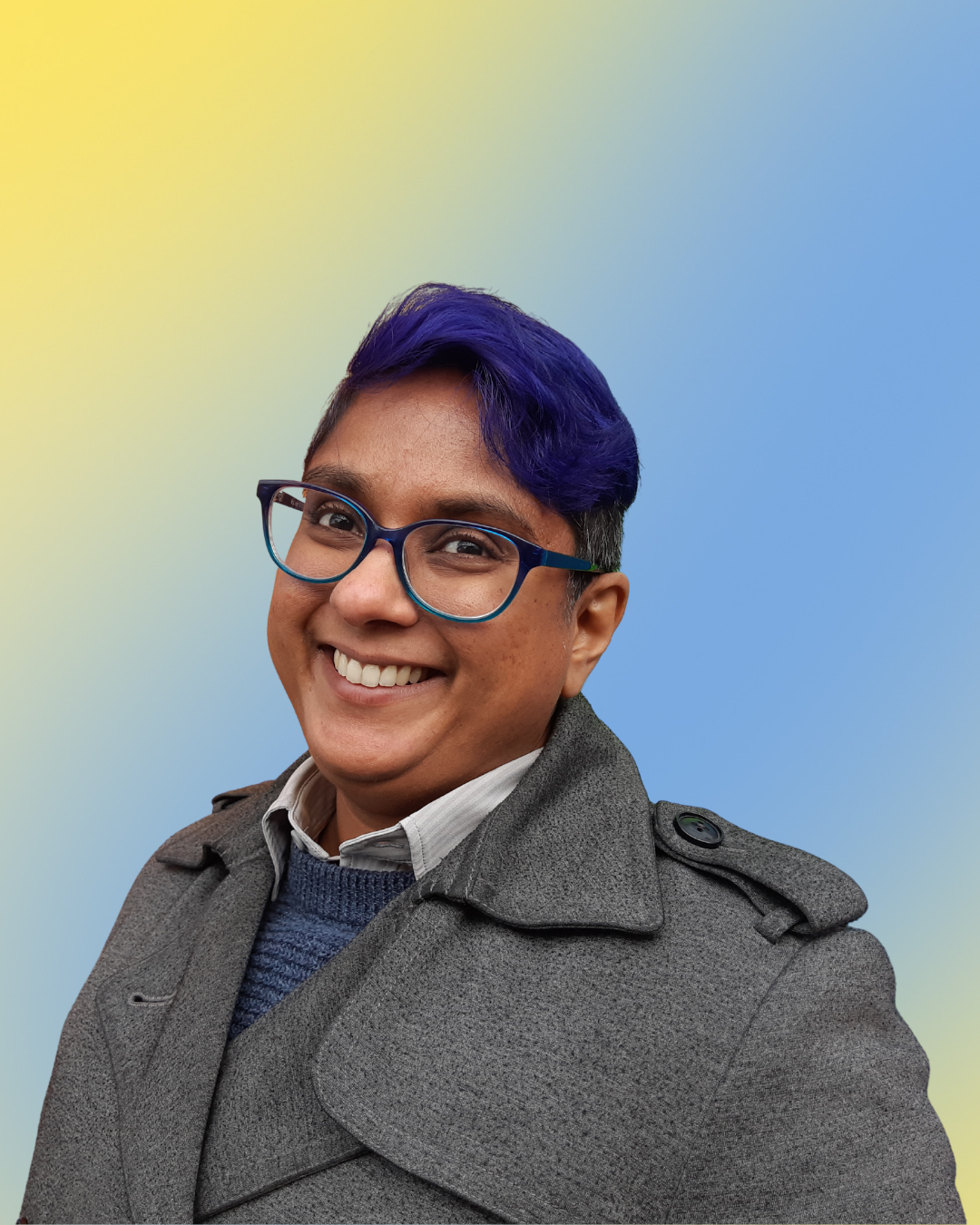
Shadi K
Shadi K is a clinician at Our Landing Place. They specialize in gender-based and sexualized violence, racialized and colonial violence, neurodivergence, chronic illness, and disability. They also offer clinical supervision to therapists and counsellors.