2SLGBTQIA+ Mental Health & Wellness Blog

Celebrating Fat Liberation Month!
August is Fat Liberation month! Read Janèle's blog post here: . Check out the National Association for Advancing Fat Acceptance and their many virtual events this month here: https://naafa.org/flm2026. Alexandra from Selkie Counselling also recently released a fantastic self-paced webinar titled “Anti-Fat Bias for Helpers 101” and will running a live Q&A August 26th (https://www.selkiecounselling.ca/webinars). These are great opportunities to learn about the fat liberation movement, as well as understanding how anti-fat bias shows up in our lives and how to challenge this.

Invention, experimentation, and re-storying: why narrative therapy can offer a landing place for 2SLGBTQIA+ community.
Narrative therapists assume that you are the person who knows the most about your life.
This is such a useful position from which to start, especially when working with 2SLGBTQIA+ community. Too often, our expertise in our own lives is questioned by loud, well-funded systems of power (colonialism, eugenics, racism, homophobia, transphobia, etc.) that seek to pathologize and criminalize queer existence.
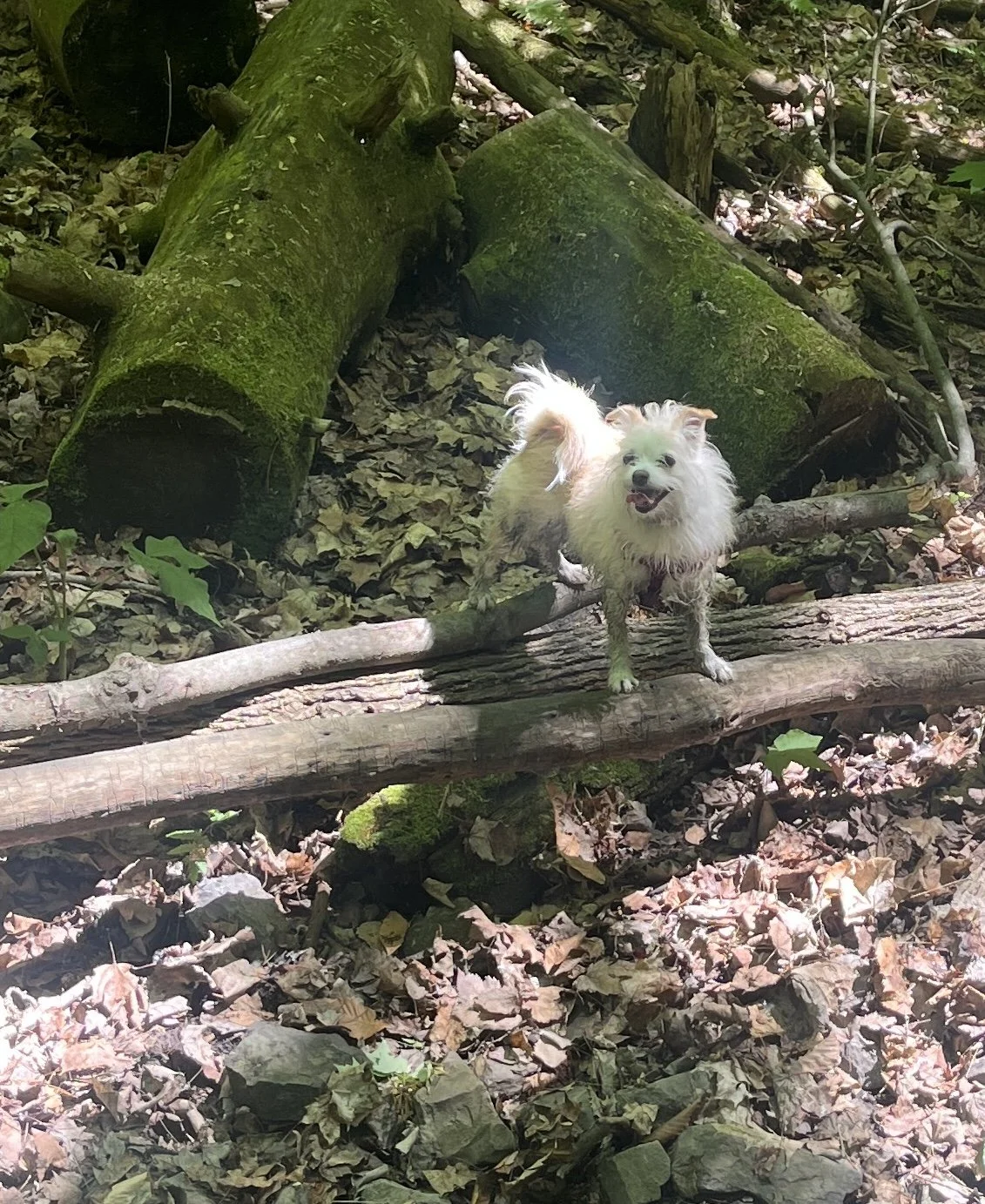
Where I’m Most Joyful and Queer: On the Trail, Off the Leash
My answer didn’t come from a dance floor or a community meeting, though I’ve found real joy in both. It came from a muddy riverbank with my little dog, Sunshine, shoulder-high in black mud, while I stood there in my hiking boots, laughing.
That’s it. That’s the whole answer. I am most joyful and most queer when I’m doing anything outside with my four-legged friend, whether it’s kayaking, hiking, sitting under a tree doing nothing in particular, or watching her decide that a perfectly normal stick is, in fact, a treasure.
Kim Williams on Liberation
It's a direct physical refusal of everything she was told to be instead. And so for me, in my body, in my queerness, in my feminism, my liberation lives in moments like that. It's a breath that finally drops all the way down. My shoulders stop apologizing and return to where they're supposed to be. And when I catch myself doing math, right? Like how much room should I take up? Is this too much? Am I too much? Have I talked too much? I just like stop doing the calculations and just try to exist fully in my body.

General Organa and Liberation as Practice
As queer people, we inherit that legacy. Not just from fictional rebels, but from the very real ones who stood at Stonewall, who marched in the first Pride parades, who demanded visibility when invisibility would have been safer.
Their work is the reason we are here.
And our work is to ensure that those who come after us inherit something even freer.
Not because the fight should belong to us alone.
But because we know what becomes possible when enough people decide to carry the weight together.
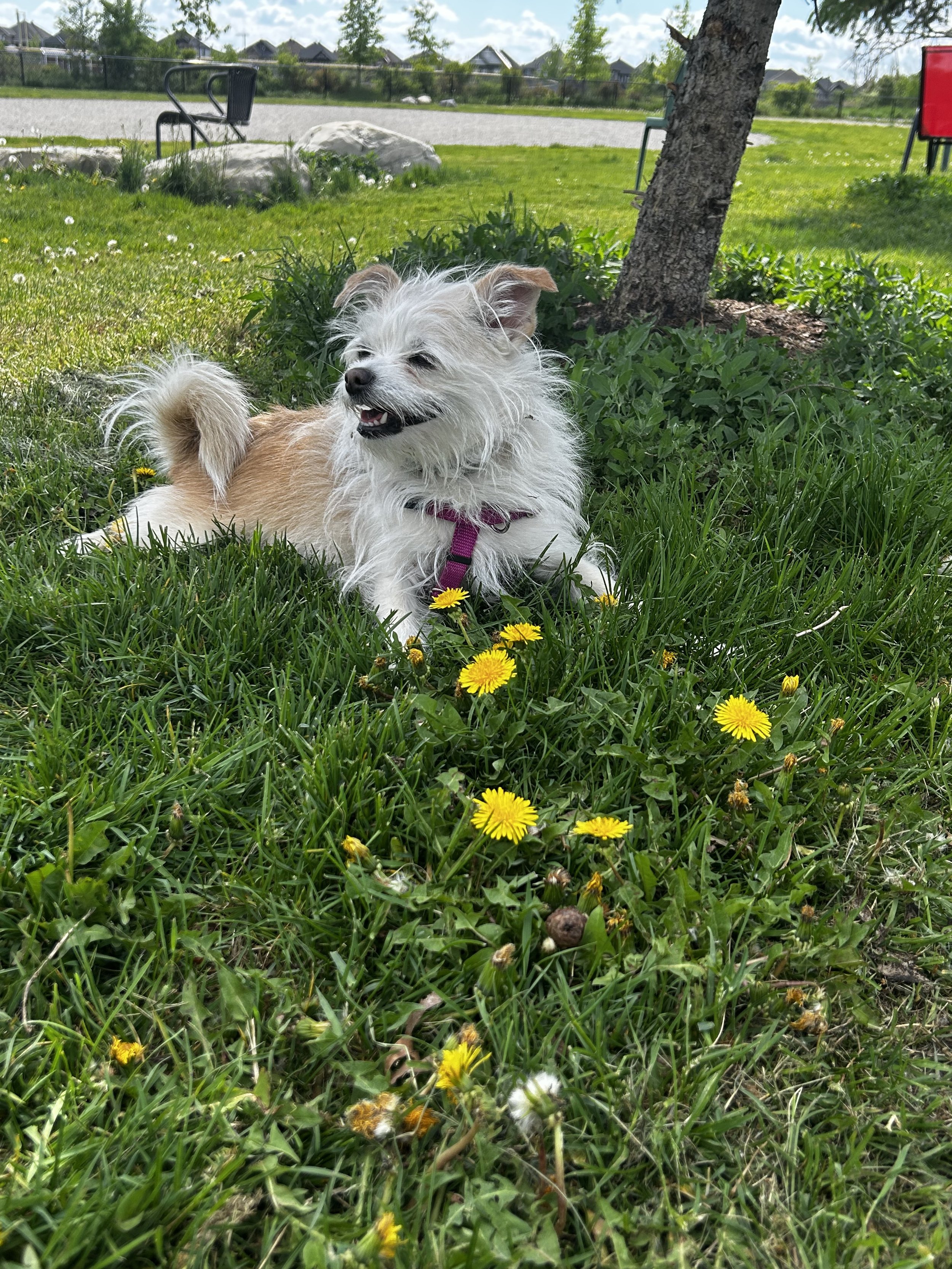
Dandelions Don’t EVER Ask Permission
We survive not in spite of our queerness but because of it. The same qualities that have been policed, pathologized, and pruned — our fluidity, our refusal of neat categories, our ability to grow sideways and find nourishment in unlikely places — are exactly what keep us alive. Adaptation without assimilation. Persistence without permission.
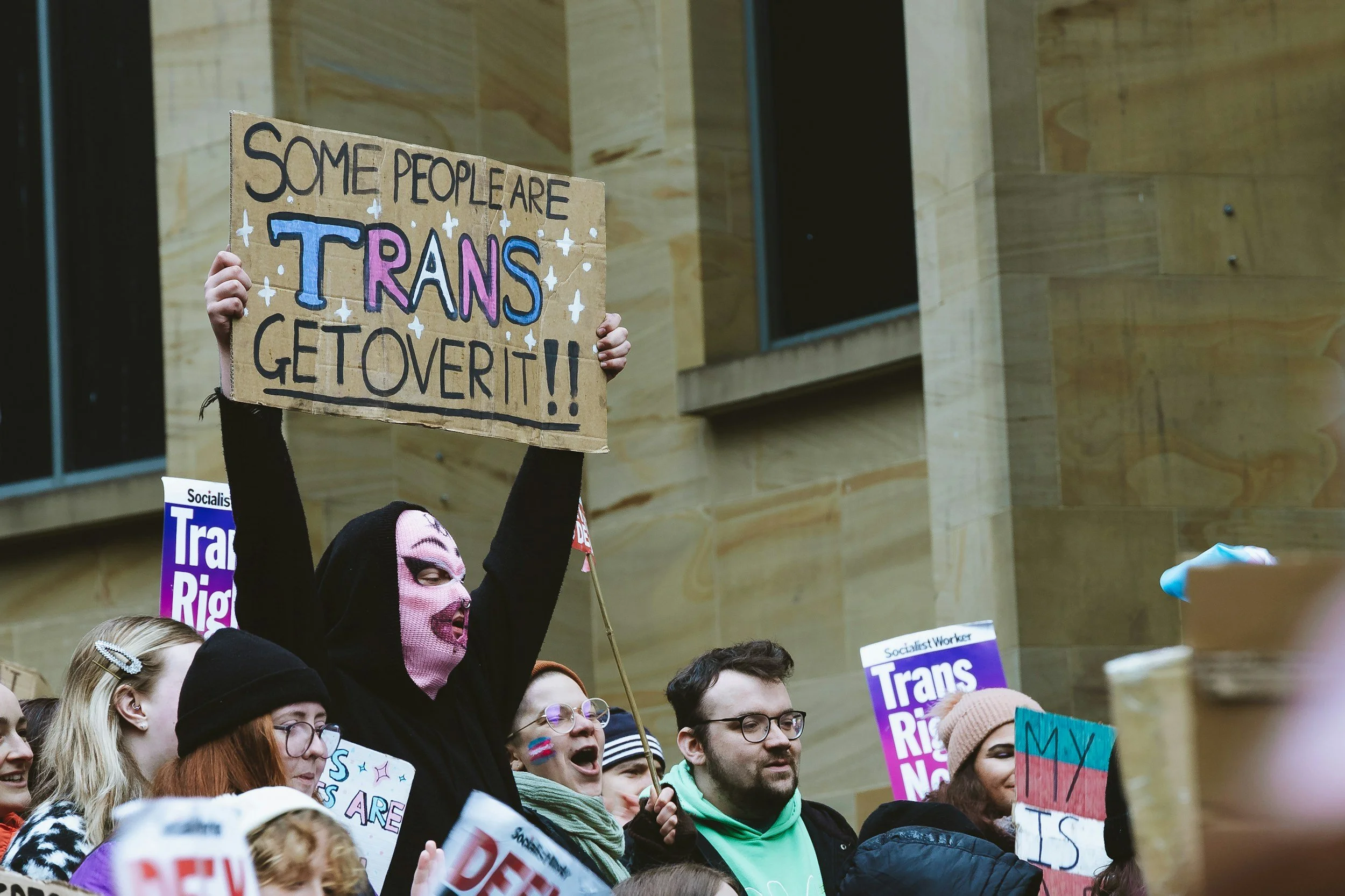
I Study Gender-Based Violence, and Trans People Aren’t the Problem
Trans rights are not in conflict with women’s rights. They never were. That has always been a lie, told by people who need us divided and afraid of each other, because they know what we can become when we aren’t.

Accountability for Every Survivor:
It’s 2026, and victim blaming, minimization of violence, and protecting perpetrators are still shockingly common. The survivors who have come forward have faced a barrage of judgment, misrepresentation, and outright vitriol. The girls (I use that word because many of them were minors at the time) whom Epstein and his co-conspirators abused have been called “prostitutes.” (No shade – we love sex work and sex workers. It just isn’t true in this case and serves to imply consent where there was none.) They’ve been accused of lying and ruining important men’s reputations.

The Ache Beneath the Ice
Heated Rivalry gives us something rare in queer sports stories: joy that is not naive, and masculinity that is not reduced to either toxicity or sainthood. It shows men learning to touch, tell the truth, and choose each other anyway. In witnessing their tenderness, ambivalence, and resilience, we are invited to recognize our own. And in that recognition, there is something quietly healing; an affirmation that longing, vulnerability, and love are not weaknesses, but deep forms of queer strength.
NEW YEAR, SAME ME.
Some folks find the new year to be an exciting time to set new resolutions and make positive changes in their lives, and that’s fantastic! Many of us, however, find this time of year to be extremely challenging for various reasons. Some of us are navigating feelings of loneliness or grief, recovering from busy holiday plans, being away from home, trying to get back into routines ourselves and/or supporting others to do so, and experiencing seasonal impacts on mental health, physical health or daily functioning. All of this while navigating some of the coldest and darkest days of the year doesn’t exactly make for an ideal foundation to set new goals or habits, when many of us are barely hanging on to our existing routines. Many folks find they have more capacity to set goals and make changes in the Spring, when the days are longer, brighter, and many parts of nature around us are waking up from winter hibernation.
Back to School After the Holidays
Bears are not updating their LinkedIn profiles right now.
Squirrels are not circling back on emails.
And no mammal thrives under fluorescent lighting at 8:30 a.m. while being asked to perform cognitively complex tasks.
And yet, here we are. Again.
Constitutional Power as Systemic Violence: Alberta, Trans Girls, and the Ethics of Care
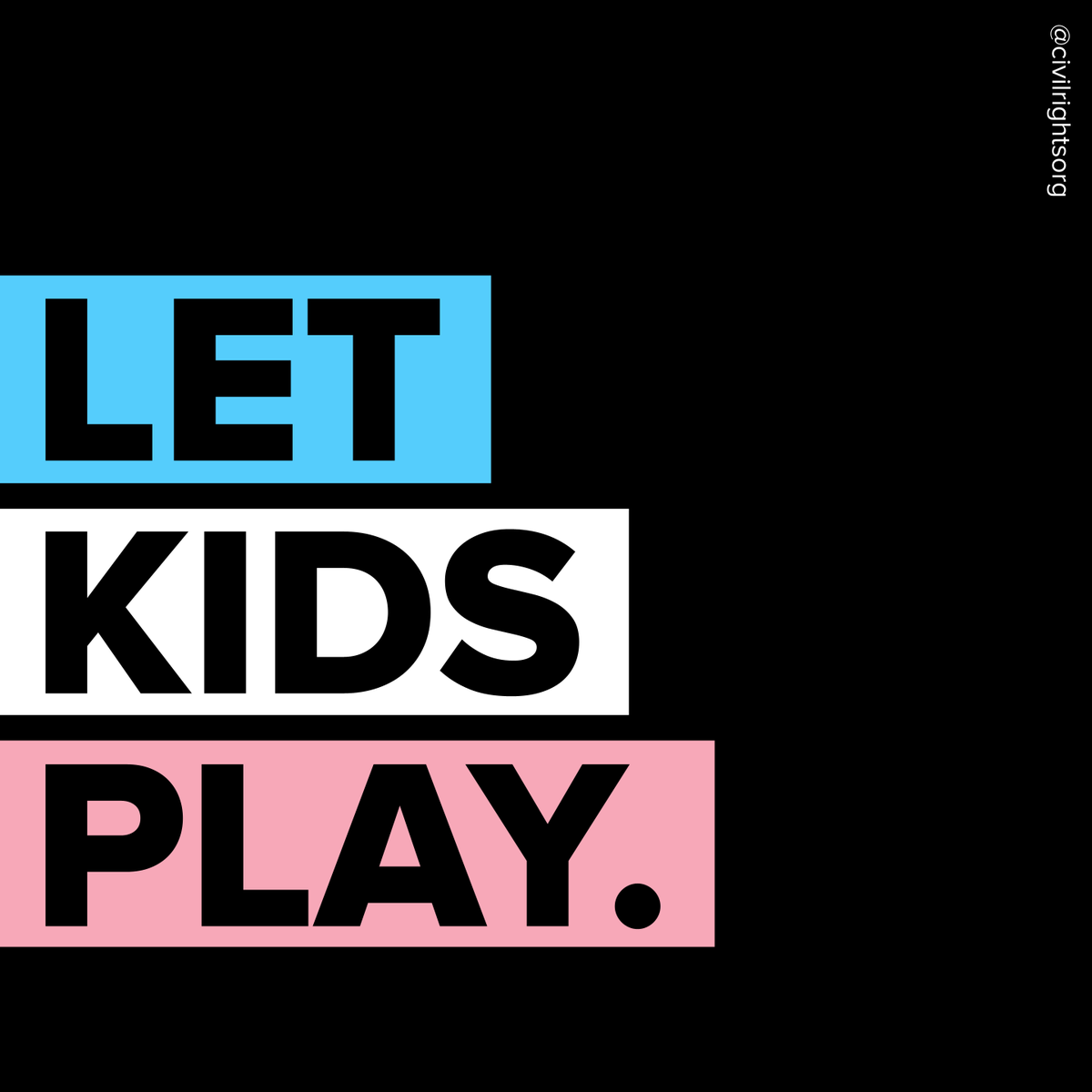
Alberta’s decision to invoke the notwithstanding clause is not just unconstitutional. It is gender-based violence made into policy.
Dr Kim Williams (she/her) PhD MSW RSW shares her thoughts on Transgender Day of Remembrance 2025.

Queering the Back-to-School Ritual: Bringing Your Whole Self to Campus
“But I also carry the familiar question: how much of myself can I safely bring into these spaces? Will I have to brace against microaggressions or silence some of my most important parts, especially as pressure, threats, and sometimes outright violence from white supremacists, transantagonists, and misogynists increases?
Here are a few practices that I return to over and over again.”

WHY DO I FEEL THIS WAY???
Why questions can get us stuck in a loop - here are some different things to ask ourselves about our predicaments.

Tips For Navigating Summer When It’s A Lot
Summer is officially here and for some of you that may look like kids being out of school and juggling that with work or time off. Maybe you’re someone who enjoys the chaos of summer, or maybe you’re pre-emptively overwhelmed by the expectations and high activity.
In this post we’re focusing on having a more fulfilling summer without depleting your energy reserve and being a bit more mindful of the autopilot decisions that can creep in.
Here are some things to think about that might help you take care and have fun sustainably in the summer heat!

“The birds, insects, and plants do not judge us for being ourselves here.”
“I have come to value gardening (or horticulture, if we’re going to get fancy about it) for its therapeutic and practical value in my family's life. If I am being honest, it offers more therapeutic value than practical crops, as I am no expert in this field. Casual gardener feels like a better descriptive title - low pressure and no expectation. The garden is a freeing place for me.”

Queer Attachment: Expanding Paths to Connection and Belonging
Challenge rigid ideas of connection. Embrace relationships that feel expansive rather than limiting. Seek out and nurture the spaces where you feel truly seen.

Queer Attachment: Expanding Paths to Connection and Belonging
Queer attachment reminds us that love, trust, and stability are not confined to a one-size-fits-all model. They thrive in the spaces where we are truly seen, deeply valued, and free to exist as our most authentic selves. Expanding our understanding of attachment doesn’t just affirm queer experiences, it invites everyone to reimagine what it means to connect, care, and belong.

Things Your Therapist Wishes You Knew