Where I’m Most Joyful and Queer: On the Trail, Off the Leash
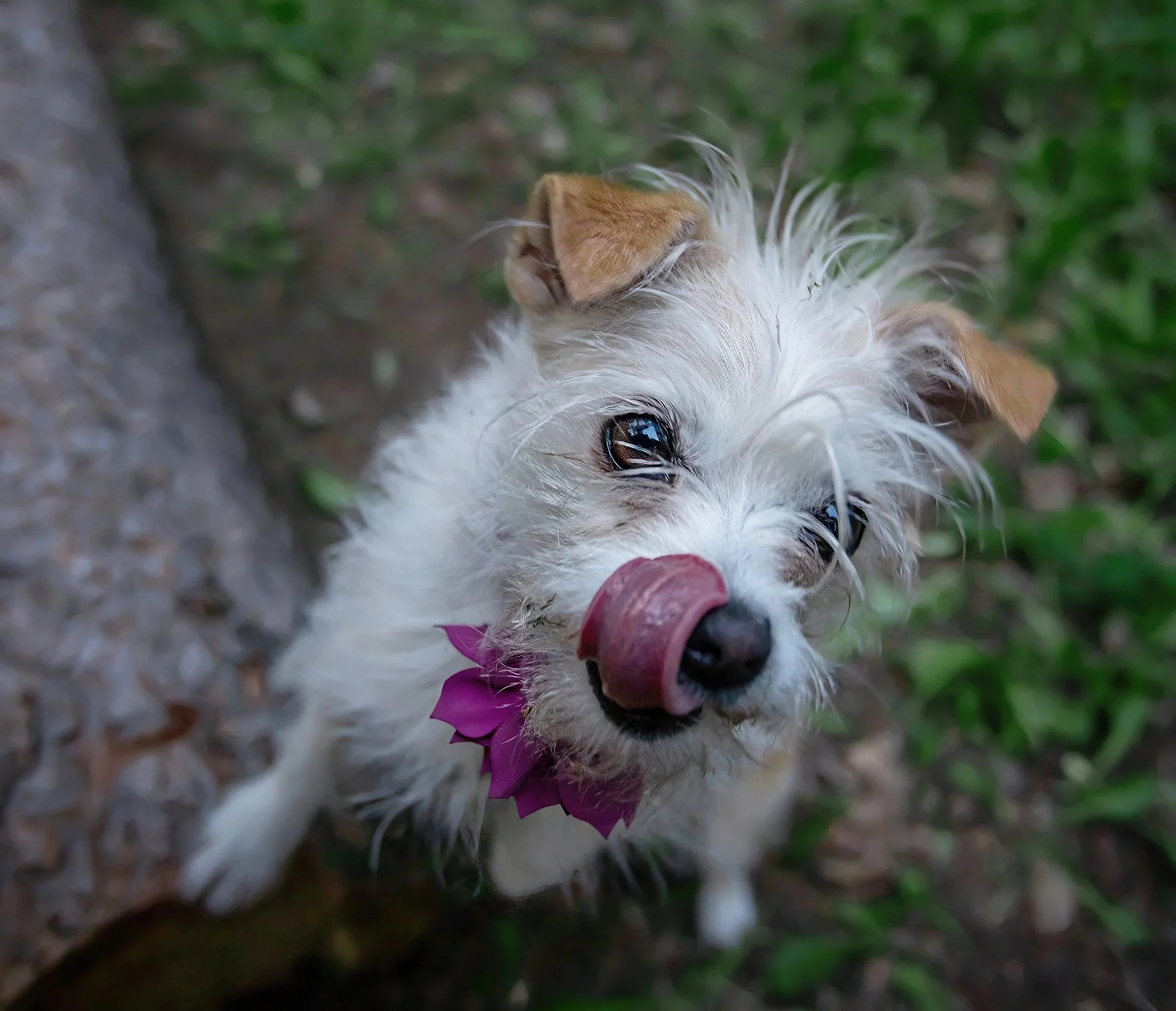
Sunshine the little scruffy dog, off leash and loving life.
Pride month asks us a lot of big questions. There are marches, flags, history, grief, and celebration. But this week, I’m thinking about something smaller and somehow harder: Where are you most joyful and queer in your life?
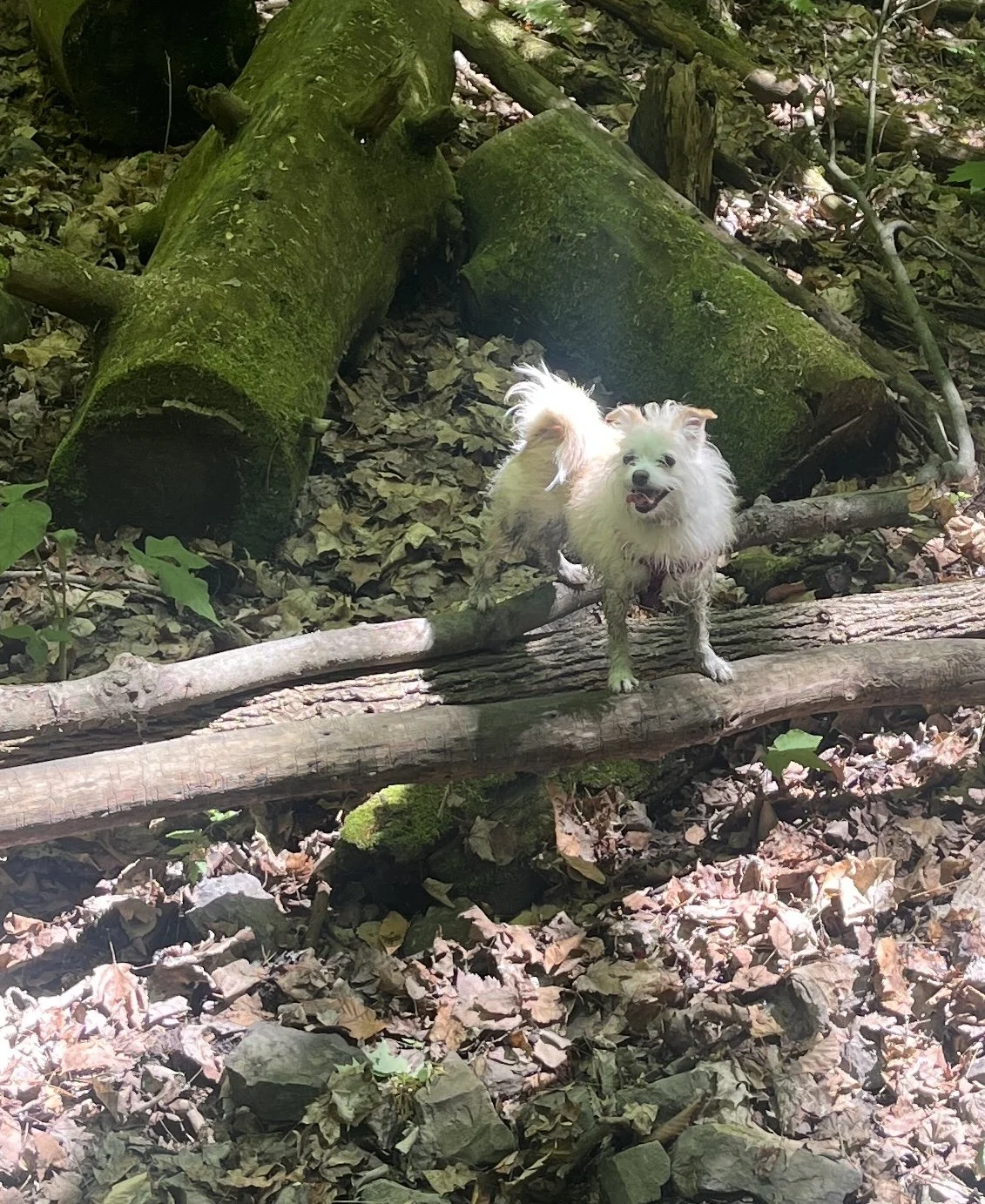
My answer didn’t come from a dance floor or a community meeting, though I’ve found real joy in both. It came from a muddy riverbank with my little dog, Sunshine, shoulder-high in black mud, while I stood there in my hiking boots, laughing.
That’s it. That’s the whole answer. I am most joyful and most queer when I’m doing anything outside with my four-legged friend, whether it’s kayaking, hiking, sitting under a tree doing nothing in particular, or watching her decide that a perfectly normal stick is, in fact, a treasure.
There’s a version of queer joy that’s loud and public, and that kind of visibility is absolutely crucial. But it also costs something, and showing up for it is its own act of love and courage.
There’s also another version that’s quieter, and I think it’s just as politically and spiritually important: the joy of being unwatched, unread, and unclassified.
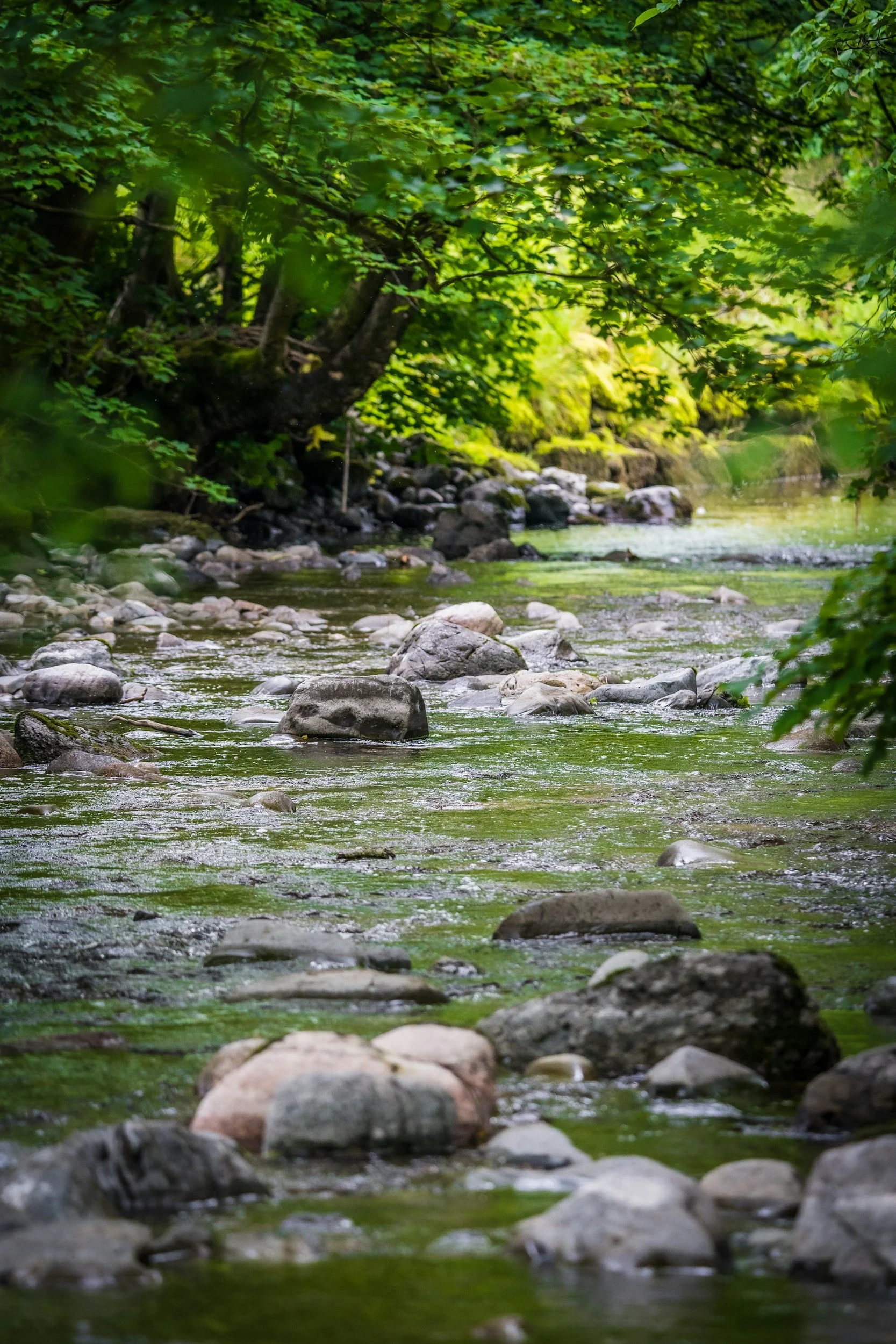
Out among the non-human world, I’m not legible. The dandelions don’t care who I sleep with. The river doesn’t ask me to explain myself before it lets me in. Robin Wall Kimmerer writes about reciprocity as the basic grammar of the living world: you give, the world gives back, and nobody’s auditing the exchange for whether you’re doing gender correctly first. Sylvia Wynter would call the categories into which I get sorted in human spaces a very particular, very colonial invention. But on the trail, among the trees, those categories can disappear. Not because nature is some innocent utopia (it isn’t, and I’m wary of anyone who tells you it is), but because the non-human world was never organized around the binary logics that so much of human social life still is. As I’ve written before, queerness in nature isn’t a metaphor I’m imposing; it’s documented biology. Clonal organisms, fungal mating types in the thousands, species that shift sex across a lifetime… I’m not borrowing queerness from the natural world. I’m remembering that I'm part of it.
My pup, Sunshine, doesn’t perform gender for me, either. She just is, fully, a creature with appetites, very clear preferences that she will absolutely let you know about, and a deep commitment to smelling everything at least twice. She couldn’t care less what pronouns the humans use, for her or anyone else. Being near that kind of unselfconscious aliveness is its own kind of permission. I remain beyond grateful for the lessons I’ve learned from the four-leggeds in my life.
This is, not incidentally, a core premise of my work with clients. My approach to queer feminist ecotherapy isn’t about taking standard talk therapy and moving it outside for ambiance. It’s built on the idea that healing — especially for us queer folks who’ve had to be hyper-legible, hyper-explained, hyper-careful in human systems — sometimes requires a relationship with something that isn’t asking you to perform anything at all. A tree doesn’t need your coming-out story. A river doesn’t need you to justify your joy before it’s allowed.
Right now, that work happens in my practice via telehealth, which surprises people.How do you do nature therapy over a screen?
Honestly, beautifully, and often more accessibly than people expect: noticing what’s outside your own window, tracking your nervous system on a walk you take between our sessions, bringing the non-human world you already have access to into the room with us, even when “the room” is a video call.
Accessibility matters to me as much as the land does, and telehealth means this work reaches people who can’t easily get to a forest, who are housebound, who are rural in a different way than I am, or who just need a starting point that doesn’t require gear or a car.
And it’s also a bridge to something I’m building toward: in-person, land-based sessions, both individual and group, coming very soon for my Ottawa- and Calgary-based clients. Think guided walks, time with a developing pollinator garden, work that uses the actual dirt-and-weather unpredictability of being outside together as part of the therapeutic material. Nature isn’t a backdrop, but a collaborator.
So: where are you most joyful and queer? I’d genuinely love to know. Maybe it’s a dog and a riverbank. Maybe it’s a windowsill plant you talk to. Maybe it’s a body of water you’ve never told anyone about.
If part of your answer involves wanting more of that feeling: more permission, more unlegislated joy, more relationship with the non-human world as a site of healing rather than a backdrop for it. That's exactly the work I do. Telehealth sessions for folks in Alberta and Ontario are open now, and in-person, land-based offerings are launching soon. Please reach out if you’re curious about what that could look like for you.