Celebrating Fat Liberation Month!

Two cute fat people with short hair lean against a wall in front of a window, sipping coffee in ceramic mugs and cuddled under blankets. They are both looking at each other adoringly. There appears to be a fluffy dog just on the edge of the frame.
August is Fat Liberation month! Check out the National Association for Advancing Fat Acceptance and their many virtual events this month here: https://naafa.org/flm2026. Alexandra from Selkie Counselling also recently released a fantastic self-paced webinar titled “Anti-Fat Bias for Helpers 101” and will running a live Q&A August 26th (https://www.selkiecounselling.ca/webinars). These are great opportunities to learn about the fat liberation movement, as well as understanding how anti-fat bias shows up in our lives and how to challenge this.
Meanwhile, here are some thoughts on comments about other people’s bodies
Now that we are well into summer and fat liberation month is upon us, I wanted to chat about a topic that is often on my mind this time of year (I’m sure it’s also on the mind of many others)- Why the fuck do so many people feel the need (or feel that it is even appropriate) to make comments about other people’s bodies?
As temperatures rise and folks head to public spaces such as bodies of water or wear clothing that helps them keep more comfortable and cooler, it seems that some folks associate this with a sense of permission to say anything they want regarding other people’s bodies, especially racialized, disabled and/or fat bodies. These unsolicited comments are harmful for SO MANY reasons.
I find it especially frustrating when folks try to justify these harmful comments by saying they are worried about the health of someone in fat body.
First of all, it is not possible to know anything about someone’s health just by looking at their body. It’s also important to consider here that most traditional Western and North American health care models perpetuate fat-phobia, while many practitioners continue to use outdated and harmful practices rooted in anti-fat bias (how and why does the BMI scale continue to be used?!).
Most importantly, NO one is asking folks making these harmful comments towards someone for their medical opinions/ advice, nor are they qualified as that person’s medical professional to even give such advice.
Lastly, if someone is truly worried about someone’s overall health, that should include mental health along with physical health. And making comments that disregard basic human decency, respect, agency and autonomy over one’s body and perpetuates harmful fat phobic messaging rooted in racism and ableism, is most definitely not a sign of caring for someone else’s mental health.
It may be natural to notice differences between people, but noticing a difference does not give anyone permission to make harmful and unsolicited comments about other people’s bodies. So please, if you or someone you’re with feels the need to comment on someone else’s body, particularity the body of a racialized, disabled and/or fat person, just don’t, or tell the person you are with that it is harmful and unnecessary. Better yet, take that moment as a learning and check out recommend one of these wonderful books:
Belly of the Beast: The Politics of Anti-Fatness as Anti-Blackness by Da’Shaun L. Harrison
Fearing the Black Body: The Racial Origins of Fat Phobia by Sabrina Strings
The Body Is Not an Apology: The Power of Radical Self Love by Sonya Renee Taylor
You Just Need to Lose Weight: And 19 Other Myths About Fat People by Aubrey Gordon
And many others
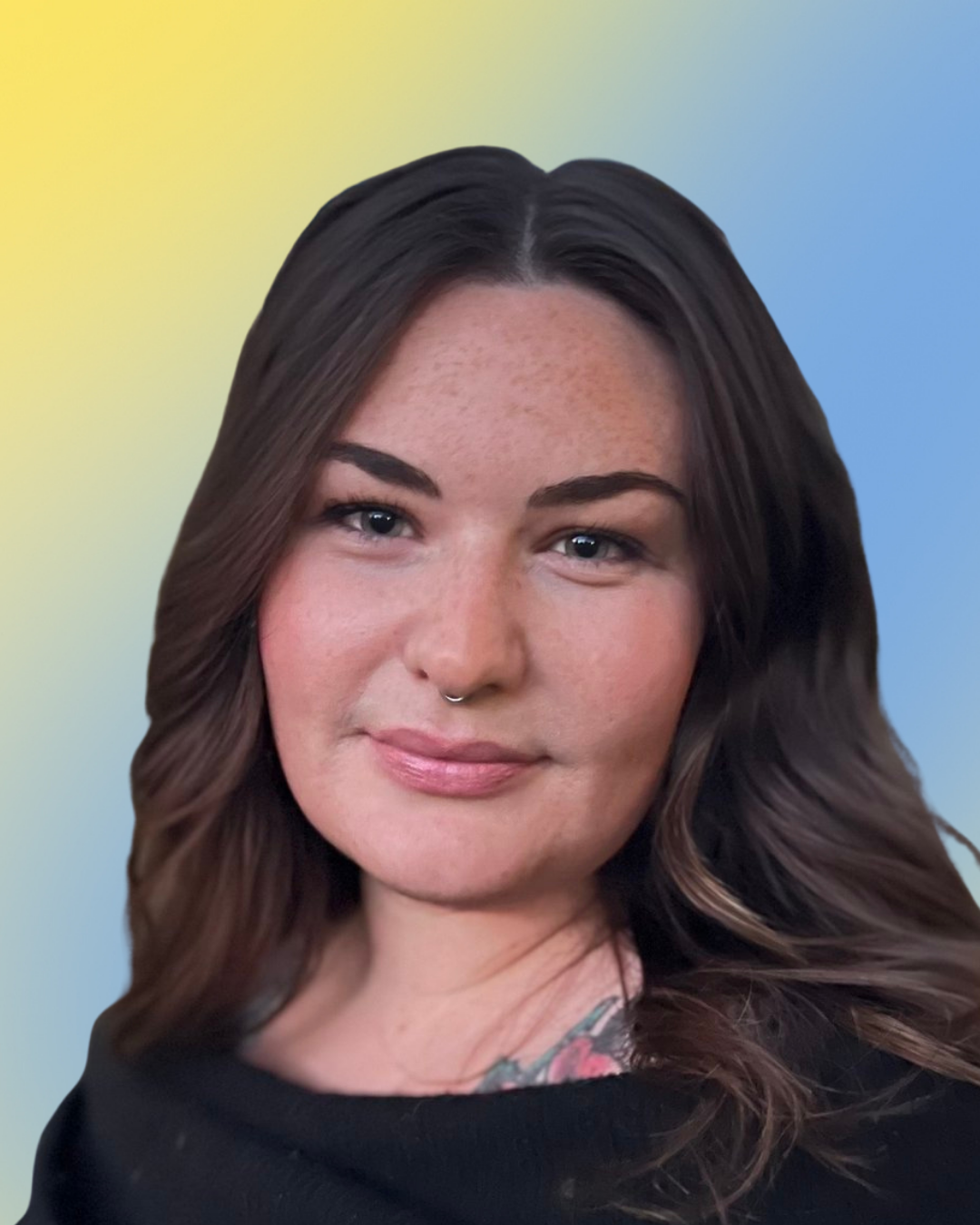
This blog entry is written by Janèle Lajoie
Janèle (she/her) is a clinician at Our Landing Place and offers therapy in French and English focusing on body image, self acceptance, exploring identity, and relational challenges.