Back to School After the Holidays
(Or, Why Everyone is a Big Asshole Right Now)
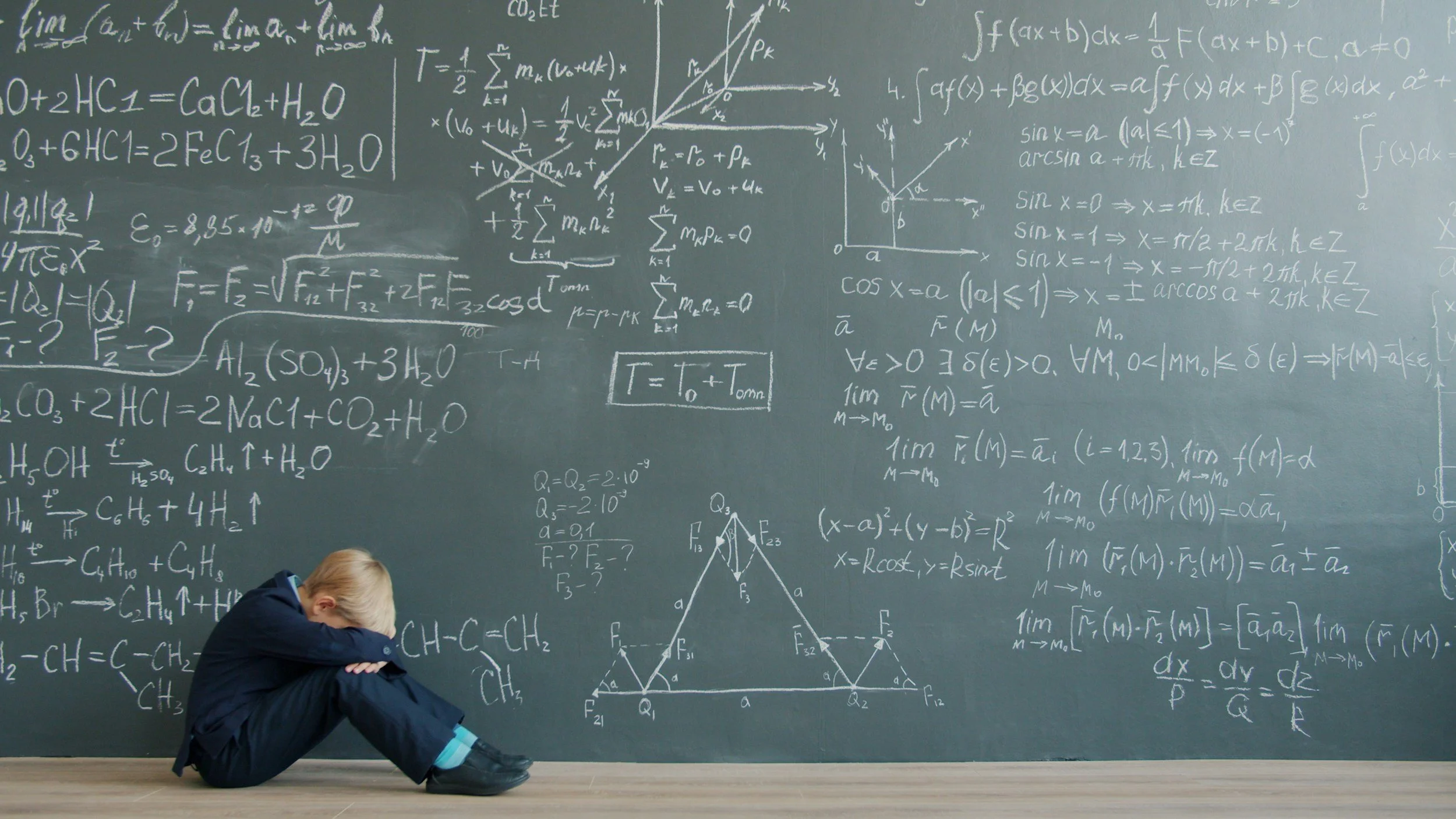
Let me be clear up front: I am not a parent.
I did not personally raise your child.
But I do observe an annual phenomenon from the trenches as a university professor who teaches young adults; I see what happens when “back to school” collides with a nervous system that absolutely, positively did not consent to January.
And honestly? Same.
So, if you’re wondering why your kid, teen, or otherwise fully grown legal adult has suddenly become irritable, oppositional, tearful, checked out, or deeply offended by basic requests like “please bookmark the syllabus” (never mind actually reading it!), allow me to reassure you: this is not a personal failure. It is biology. And also late stage capitalism.
And here’s the thing no one tells us:
The “back to school after the holidays” vibe is fundamentally against what the Earth intended for us animals in the northern hemisphere.
January is not a “fresh start.” Nope.
January is hibernate, conserve energy, avoid eye contact, and eat soup season. It is make popcorn, drink hot chocolate, and watch Netflix season.
It is dark. It is cold. It is a time to snuggle under the covers.
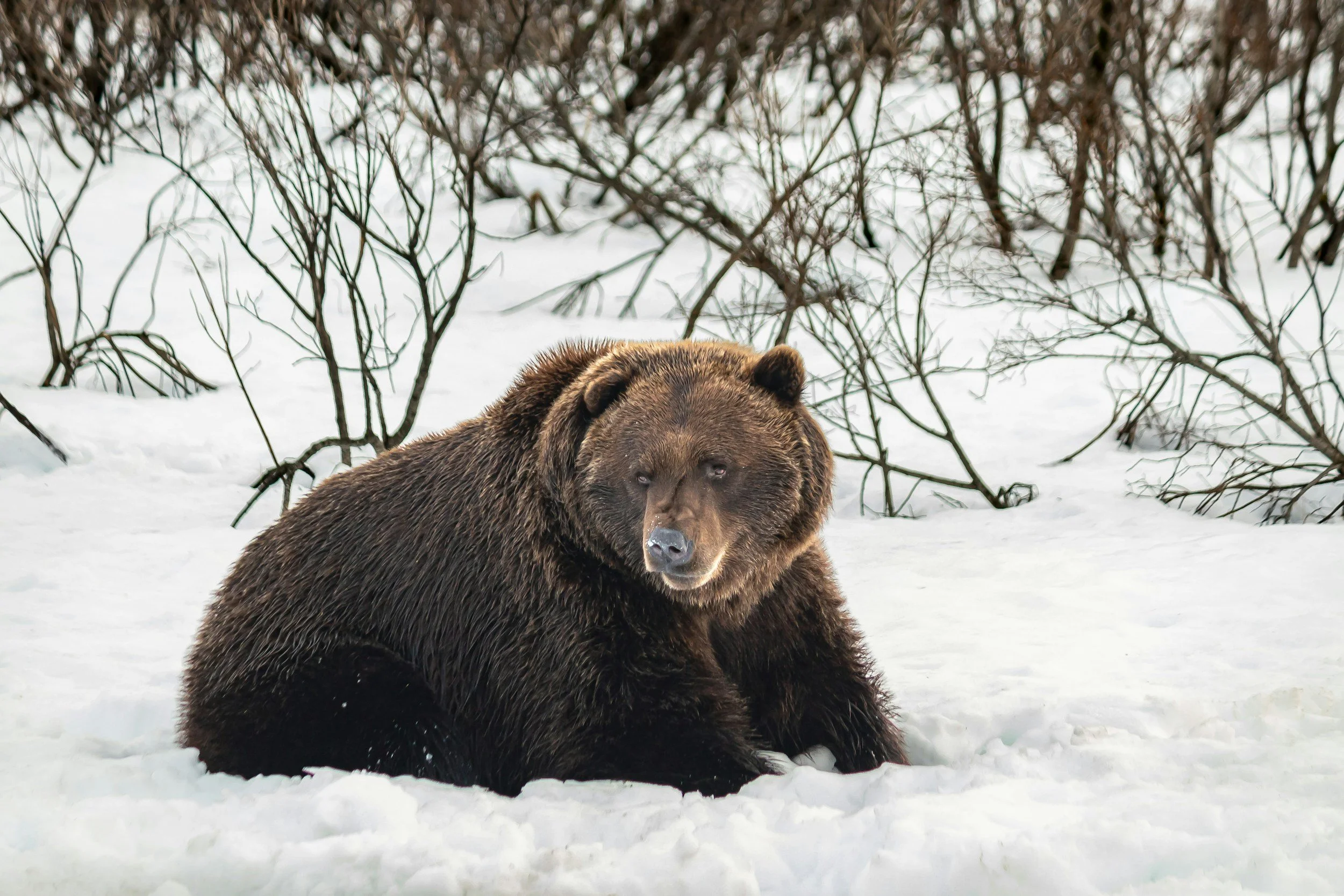
Bears are not updating their LinkedIn profiles right now.
Squirrels are not circling back on emails.
And no mammal thrives under fluorescent lighting at 8:30 a.m. while being asked to perform cognitively complex tasks.
And yet, here we are. Again.
During the holidays (unless you’re a primary caretaker of young children, which is a whole different blog post), nervous systems get a taste of something that poses a mortal danger to capitalism:
Slower mornings
Later bedtimes
Fewer demands
More social connection (or at least more couch time)
A brief illusion that life might not be entirely structured around productivity
Then January shows up like: Surprise! You have to go back to school/work in a capitalist system.
Which means that my students and I get to start the Winter semester barely having recovered from the fall. And it makes total sense, then, that I get to be on the receiving end of All The Big Feelings and their counterpart, Blank Stares suggesting the soul has left the body.
Everyone’s got shorter tempers, less frustration tolerance, and a strong resistance to doing literally anything that requires executive functioning. As in: “Bookmark the syllabus? I can’t even find the URL!”
This isn’t laziness.
This isn’t (usually) entitlement.
This is nervous-system whiplash.
Young adults—despite their height, vocabulary, and oh so many opinions—are still very much learning how to regulate stress, transitions, and expectations. Their prefrontal cortex is doing its best, but it is up against a whole host of obstacles, including: academic pressures, financial stress, existential awareness of the ongoing global dumpster fire, and the deeply unnatural expectation to be “on” during the coldest, darkest part of the year.
Honestly, if they weren’t struggling, I’d be more concerned.
But here are a few re-frames I wish we all had to get us through this time of year:
1. Being an asshole is regulation, not rebellion.
People don’t act their best when they’re dysregulated. This applies to children, students, and even professors, who would also prefer to be under a blanket.2. Holding it together is legit exhausting.
Many students do “fine” in public-facing spaces and then fall apart privately. That’s not manipulation. It’s survival. So if you’re a parent dealing with a monster at home right now, know this: Your child trusts that you love them enough to tolerate them at their worst. It’s not much to hang your hat on, but it’s something. You’re doing just fine.3. January is not the time for maximal performance.
Here in the northern hemisphere, Earth is in rest mode. Humans are the only creatures pretending this is a great moment to optimize.
So yeah, your kid might be a bit of an asshole right now.
Your teen might be extra prickly.
My students seem unmotivated, reactive, or emotionally unavailable.
Even the professors are cranky.
None of us is broken.
We’re just wintering.
If we could all offer a little more patience, a little more flexibility, and slightly fewer expectations of peak functioning in January, we might all survive this season with our relationships—and our nervous systems—mostly intact.
Spring will come.
Motivation will return.
Everyone will be marginally kinder.
Until then, I prescribe warm drinks, lowered expectations, and a shared acknowledgement that none of us asked for this semester to start in the middle of winter. That’s just the settler colonial, capitalist system working precisely as it was designed.